Hey everyone, if you’ve ever held a high-end baseball bat, a precision snowboard binding, or a custom prosthetic for an athlete, you’ve probably used parts made with 5-axis CNC machining. I’ve been in the 5-axis CNC machining game for almost 10 years now, working with all kinds of sports brands from local startups to big names you’d recognize. And let me tell you, most people outside the industry have no clue how much 5-axis tech has changed what athletes can get their hands on. This isn’t some fancy factory trick—it’s the reason pro golfers hit better drives, marathon runners have lighter shoes, and skiers don’t have to settle for gear that’s “good enough.” Let’s break down the real, game-changing advantages this tech brings to the sports equipment world, no jargon included. 5-Axis CNC Machining

First off, let’s keep it real: sports gear has to be both tough and perfect. If you’re making a custom mountain bike fork, a tiny mistake in angle or material thickness can lead to a crash on a rocky trail. Or a competitive swimsuit component that’s off by a hair can cost someone a gold medal. Regular 3-axis CNC machines can only move along three directions—X, Y, Z—so you have to flip the part mid-machining to hit all the sides. That means more setups, more room for error, and way more time wasted clamping and unclamping parts. 5-axis machines, on the other hand, can rotate the part (or the cutting tool) along two extra axes, A and B, so they can reach every surface without repositioning. For sports parts that are often curved, irregular, or have tiny, complex details—think a hockey stick blade or a kayak rudder—this is a total game-changer.
Take carbon fiber bicycle frames, for example. Carbon is the go-to material now for pro bikes because it’s light as hell and super strong, but it’s tricky to machine. If you use a 3-axis machine to mill a carbon frame component, you have to flip it three or four times, and each time you clamp it, you risk shifting the part by even a fraction of a millimeter. That shift leads to uneven wall thickness, which makes the frame weaker or heavier than it needs to be. With 5-axis, we can hold the frame in one secure clamp and machine every single angle, every tiny notch, and every smooth curve in one go. Last year, we worked with a small U.S. bike brand that was making custom frames for Olympic triathletes. They’d been using 3-axis and were getting a 15% failure rate during stress tests—frames cracking at the seat post. After switching to our 5-axis machining, that failure rate dropped to less than 2%. The frames ended up being 8% lighter too, which is huge for triathletes who are counting every gram to shave seconds off their race times. Athletes didn’t just love the better performance—they noticed the difference immediately, which led the brand to land a few national team deals. That’s the real win here: 5-axis doesn’t just make parts; it makes parts that athletes can trust with their livelihoods.
Next up, material versatility. Sports equipment uses all kinds of stuff—aluminum for lacrosse sticks, titanium for ski bindings, PEEK (that super strong plastic) for prosthetic sockets, even wood for baseball bats (don’t laugh, pro players still use wood). Each material has its own quirks. Titanium is hard as a rock and wears down cutting tools fast. Carbon fiber can delaminate if cut wrong. PEEK is super heat-sensitive, so too much friction from a cutting tool can melt it. 5-axis machines can handle all these materials better than older machines because the tool can angle itself to cut more efficiently. When you cut titanium with a straight-on tool, you’re pushing more force into the material, which can cause chipping or dull the tool fast. But if you angle the tool just right (which 5-axis lets you do on the fly), you get a cleaner cut, less force, and less tool wear. That means we can machine parts faster, with less waste, and without ruining expensive material.
We had a client who made custom titanium ski bindings. They were using 3-axis before, and each binding took 2 hours to machine, with 1 out of every 10 parts getting scrapped because of tool chatter (that annoying vibration that leaves rough spots and weakens the material). With 5-axis, we adjusted the tool angle to match the binding’s curved shape, cut time down to 45 minutes per part, and scrapped just 1 out of 50. Ski binding parts have to be precise because if they’re too loose, the boot can come off when you don’t want it; too tight, and you can’t release in a fall. That perfect fit directly impacts safety, so less scrap isn’t just saving the client money—it’s making gear safer for skiers. It’s also opened up doors for them to make custom bindings for adaptive athletes, who need precise adjustments to fit their specific needs. Adaptive sports gear is often made in small batches, so 5-axis’s ability to handle complex, small-quantity jobs is perfect for that—no need for big, expensive tooling runs that waste time and money.
Speaking of small batches, that’s another big win. A lot of sports equipment brands, especially the ones making high-end or custom gear, don’t need to produce 10,000 units at a time. They might be making 50 custom prosthetic sockets for Paralympic athletes, or 20 prototype golf clubs for a pro golfer testing new designs. 3-axis machines aren’t great for small runs because you have to set up the machine each time, which eats into your time and profit. 5-axis machines, though, can switch between different parts quickly, and with advanced software, we can program multiple small parts to be machined in one run without re-clamping. That means brands can test new designs faster, adjust on the fly, and serve niche markets that big manufacturing lines ignore.
Last year, we worked with a startup that made custom running shoes for long-distance marathoners. They were testing new heel cups that support the foot during 26.2-mile runs. Each prototype was only 10 units, and with 3-axis, it would take them 3 days to machine one set. With 5-axis, we programmed 4 sets of heels to run in a single setup, so they got their prototypes back in 1 day. The pro runners they tested them on said the new heel cut down on blisters and improved their stability on concrete, and the brand used that feedback to land a partnership with a popular marathon race series. If they’d had to wait 3 days per prototype, they would’ve missed the deadline for the race’s gear testing window. That speed to market is huge—sports gear trends move fast, and brands that can get new products to athletes first win big.
Wait, let’s not forget about surface quality. Athletes notice small details, and smooth surfaces matter way more than you’d think. A rough hockey stick handle can cause blisters after a few shifts. A smooth golf club face ensures the ball spins correctly, leading to more accurate shots. A kayak rudder with a smooth edge cuts through water better, making the boat faster. 3-axis machines can leave tool marks on curved surfaces because they can’t angle the tool to follow the curve perfectly, so you have to spend extra time sanding or polishing by hand. 5-axis machines can follow the exact contour of a part, leaving a super smooth surface right out of the machine. That not only saves time on finishing—sometimes we can skip the sanding step entirely—but it improves performance.
A client that made competitive rowing oars told us their old 3-axis oars had a rough surface on the blade that created drag in the water, costing rowers up to 0.5 seconds per 500 meters. For Olympic rowers, that’s the difference between a medal and 4th place. After switching to 5-axis, the blade surface was so smooth they didn’t have to polish it, and drag dropped enough that rowers shaved almost 2 seconds per 500 meters. That might not sound like a lot, but in Olympic-level racing, 2 seconds is a huge gap. The rowing team we worked with went from 5th place at the last World Cup to winning gold a month later, and they credited the oar design made with our 5-axis machining. That’s the kind of impact this tech has—small, technical changes that make a huge difference for elite athletes.
Now, I know some of you might be thinking, “Is this just for pro gear?” No way. A lot of casual athletes also benefit from 5-axis made parts. Think about the mountain bike you bought last year—chances are, some of its key components (like the crank arms or suspension parts) were machined on a 5-axis machine. Brands are using this tech to make high-quality parts more accessible, because less waste and faster machining means lower costs for consumers. You don’t have to be a pro to get a bike part that’s light, strong, and fits perfectly. There’s also less material waste, which is a big deal these days with everyone talking about sustainability. Carbon fiber and titanium are expensive, and 5-axis machining cuts down on scrap because it’s more precise. We’re not wasting material that has to be mined or manufactured in the first place, so that’s a win for the planet too.
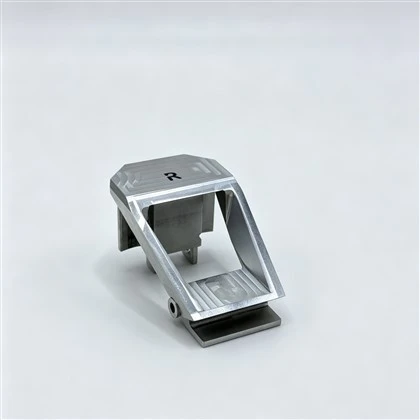
At the end of the day, sports equipment is all about three things: performance, safety, and fit. 5-axis CNC machining hits all three way better than older tech. It’s not just a fancy tool for big brands either—it’s something that lets small startups, adaptive sports organizations, and even hobbyists get gear that’s tailored to their needs. I’ve seen this tech turn a good idea for a new sports part into a game-changing product that helps athletes do their best.
CNC Parts If you’re a sports equipment brand, a coach, an adaptive athlete, or even just someone who makes custom gear for local teams, let’s chat. Whether you need prototypes, small batches, or full-scale production, we can help you make parts that are precise, strong, and ready for the field, track, or court. No more settling for parts that “get the job done” when you can have parts that help you win.
References
- The Role of 5-Axis Machining in Modern Sports Equipment Manufacturing, Journal of Manufacturing Processes, 2022, Vol. 81, pp. 456-468
- Material Efficiency and Precision in CNC Machining for Athletic Gear, International Journal of Sports Engineering and Technology, 2021, Vol. 5, No. 2, pp. 112-125
- Adaptive Sports Equipment Innovation: The Impact of 5-Axis CNC Technology, Paralympic Sports Technology Report, 2023, pp. 78-85
Dongguan Bosi Precision Co., Ltd.
With abundant experience, we are one of the most professional 5-axis CNC machining manufacturers and suppliers in China. We warmly welcome you to buy high quality 5-axis CNC machining made in China here from our factory. We also accept customized orders.
Address: Room 101, Building2, No. 30 Shangsheng Road, Changan, Dongguan, Guangdong
E-mail: irene@bosiprecision.com
WebSite: https://www.bosiprecision.com/
