Hey everyone, CO2 Plant
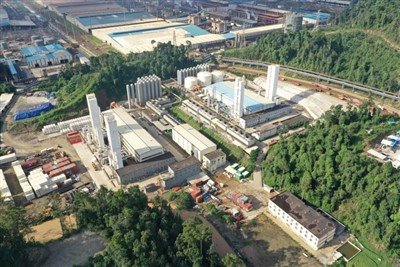
If you’re running a food and beverage operation, brewery, or even a greenhouse, you know your CO2 plant is way more than just a piece of equipment—it’s the backbone of your entire process. A few months back, a customer hit me up panicking because their plant went down for 3 days, costing them tens of thousands in lost production. That’s when I realized: most of the issues here aren’t random “breakdowns” — they’re common failures we’ve seen a hundred times, and most are totally avoidable. As a CO2 plant supplier, I’ve walked through dozens of sites, fixed messed up setups, and talked to operators who didn’t see these coming. Let’s break down the most frequent stuff that brings these plants to a halt, no fluff, straight from the field.
First up: feed gas contamination. This is the #1 culprit, hands down. I can’t tell you how many times we show up and find an operator using raw, unfiltered gas straight from their industrial process—like a boiler or an ammonia plant—without treating it. That gas might have trace impurities you can’t see or smell: water vapor, oil, sulfur compounds, even tiny metal particulates. For example, sulfur from ammonia plants eats away at the molecular sieves we use to purify CO2, cutting their lifespan from 5 years to 18 months. Water vapor? It freezes in the plant’s cold distillation columns, clogging lines faster than you can say “unplanned shutdown.” Once, a craft brewery we work with didn’t install a pre-treatment filter for the CO2 pulled from their fermentation tanks. The yeast and sugar residuals got into the plant, fouled the adsorption system, and they had to replace a $12,000 filter way sooner than budgeted. A lot of operators think “it’s just CO2 from my process, it’s pure enough” — but no, feed gas is only clean when it’s filtered and dried before it hits your plant. Skipping that step is like driving your car without oil; it works at first, then seizes up.
Next, poor maintenance of the adsorption and desorption cycles. Those cycles are the heart of a pressure swing adsorption (PSA) CO2 plant, right? The idea is: you pressurize feed gas to pull CO2 out of other gases, then release pressure to “regenerate” the sorbent material so it can do it again. But here’s the thing: if you don’t stick to a regular maintenance schedule for your valves, pressure gauges, and sorbent bed integrity, the cycle goes off. I had a customer a couple years back who skipped checking their inlet valves for 8 months. The seal on one valve wore out, so during the desorption step, it didn’t vent properly. That meant the next pressurization cycle was weaker, so they were only recovering 60% of their CO2 instead of 90% — plus, the uneven pressure damaged the sorbent, and they had to swap out a whole bed. Most small to mid-sized operations don’t have a dedicated maintenance tech, so they wing it. But even a weekly 30-minute check of valve sounds, pressure levels, and filter dials would catch 70% of these cycle-related issues. One common mistake here is resetting the cycle timer to “fast” to squeeze more production. Yeah, you might get an extra 5% output for a week, but you’re straining the sorbent and valves, leading to a breakdown that costs way more in downtime.
Then there’s improper temperature control. CO2 plants run on a tight temp range, and too many operators either let it drift or mess with the cooling system to save energy. If the plant is too warm, the CO2 doesn’t liquefy properly during distillation — you end up with a mix of gas and liquid, which clogs pipelines and makes the output inconsistent. If it’s too cold, you’re wasting energy on over-cooling, and the moisture in the gas freezes into ice, blocking lines. Last quarter, a winery we support turned down their chiller in the middle of a heat wave to cut costs. Their plant’s temp spiked 12°F above the recommended range, so the CO2 coming out was 20% less pure than they needed for sparkling wine. They had to shut down for a day to flush the lines and recalibrate, which made them miss a batch of harvest. Also, don’t sleep on the ambient temp around the plant. If you set it up right next to a boiler, the surrounding heat warms up the feed lines, messing with pressure. We always advise our customers to site the plant at least 10 feet away from any other heat-generating equipment, and to monitor both process temp and ambient temp daily.
Another big one: operator training gaps. This is where I see the most preventable failures. I’ve walked into plants where the guy running the CO2 machine was hired for his experience with forklifts, not CO2 purification. He didn’t know how to read the alarms on the control panel, so when a pressure alert popped up, he just hit “acknowledge” instead of investigating. That led to a pressure spike that blew a seal, costing $5,000 in parts and 2 days of downtime. A lot of small operations don’t budget for ongoing training, so once the plant is installed, they’re on their own. But here’s the thing: even a 2-hour hands-on training from a supplier (like us) goes a long way. We teach operators how to spot the small red flags—like a hissing valve, a pressure reading that’s slowly drifting, or discoloration in the filter—and what to do before it becomes a big problem. I once visited a site where the operator noticed a tiny leak in a pipe and shut it down immediately, instead of ignoring it because “it’s just a small leak.” That leak would’ve caused a pressure drop over time, ruined the sorbent bed, and led to a shutdown. That operator knew what to do because we trained him.
Wait, let’s not forget about material degradation over time, specifically with seals and gaskets. These are the unsung heroes of the plant—they keep gases and pressures where they need to be, but they’re made of rubber or plastic that breaks down over time, especially if exposed to the impurities we talked about earlier. I’ve seen customers stretch gasket replacement from 2 years to 4 because they forgot to schedule it. Then, one day, a seal fails, CO2 leaks out, and the plant goes down. And it’s not just the gaskets in the main lines—don’t skip the gaskets on the filter housings and valve actuators. A small leak on a filter housing can let moisture in, which clogs the sorbent faster. We recommend doing a full seal and gasket check every 12 months, even if there’s no obvious issue. I had a brewery replace their gaskets on schedule last year, and we found one that was already cracked from oil residue in the feed gas. If they’d waited another 6 months, that gasket would’ve failed, and they’d have had to flush their whole system to fix the leak.
Also, let’s talk about electrical and control system issues. These might seem unrelated to the “physical” parts of the plant, but they’re super common, especially with older plants or ones that were installed without proper wiring. A lot of operators use standard power outlets instead of dedicated circuits, which leads to voltage spikes. Those spikes can fry the control panel’s sensors, so the plant can’t regulate pressure or temperature anymore. Once, a customer’s control panel died because a power surge from their factory’s main line hit it. They waited 5 days for a replacement sensor, which cost them $15,000 in lost production. Another issue: outdated software on the control system. If you’re running a plant with 10-year-old software, it might not communicate with new sensors, or it might have glitches that throw off cycle times. We always make sure our customers get the latest control software updates for free for the first 3 years, but a lot of them skip updating it because they don’t want to take the plant offline for an hour. That’s a mistake—small software glitches turn into big cycle errors that hurt productivity.
Now, I know what some of you are thinking: “I already have a CO2 plant, and I can’t overhaul my whole maintenance schedule or retrain my team.” But here’s the good news: most of these failures are incremental. You don’t have to do a full rebuild tomorrow. Start small: add a weekly filter check, schedule a quarterly temp calibration, and book a 1-hour training refresher with your supplier. We’ve worked with customers who went from monthly shutdowns to zero shutdowns after just a few tweaks.
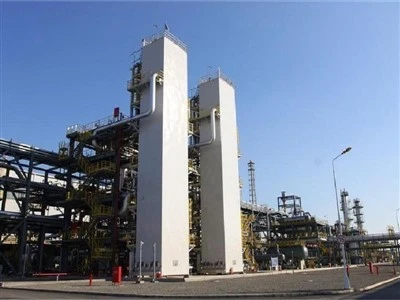
If you’re dealing with a CO2 plant that’s been acting up—whether it’s low purity, frequent shutdowns, or high maintenance costs—we’re here to help. We don’t just sell equipment; we work with you to figure out what’s going wrong, fix the current issues, and set up a plan to keep your plant running smoothly. Whether you need a quick troubleshooting call, a site walkthrough, or to upgrade your filters and seals, we’ve got the expertise to get you back on track. Don’t wait for a small problem to turn into a costly shutdown—reach out today to chat about your needs, and let’s make sure your CO2 plant works for you, not against you.
Air Separation Unit References:
- Global CO2 Industry Association. (2022). Common Operational Challenges in Small-Scale CO2 Purification Plants.
- Food and Agriculture Organization of the United Nations. (2021). Best Practices for CO2 Use in Food and Beverage Processing.
- International Society of Automation. (2023). Maintenance Guidelines for Industrial PSA Gas Systems.
- American Society of Brewing Chemists. (2022). CO2 Purity Requirements for Craft Beer Production.
- HVAC&R Research Journal. (2021). Temperature Control Impacts on CO2 Liquefaction Efficiency.
Hanturbo Technology (Zhejiang) Co., Ltd.
Hanturbo Technology (Zhejiang) Co., Ltd. is one of the most professional co2 plant manufacturers and suppliers in China, also supports custom service. We warmly welcome you to buy discount co2 plant made in China here and get quotation from our factory. For price consultation, contact us.
Address: No.118, Wangluo Road, Deqing County, Huzhou City, Zhejiang Province, China.
E-mail: andyxu@hanturbo.com.cn
WebSite: https://www.hanturbo-gas.com/
