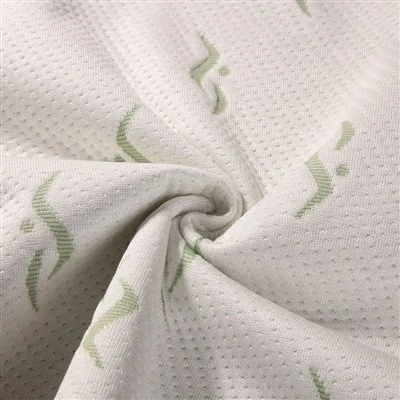
Hey there! I’m a supplier of quilted fabric, and today I’m gonna chat with you about how to measure quilted fabric. It’s super important whether you’re a DIY enthusiast or a big – scale manufacturer, getting the measurements right can make or break your project. Let’s dive in! Quilted Fabric
Why Measuring Matters
First off, you might be wondering why it’s such a big deal to measure quilted fabric accurately. Well, for starters, if you’re making a quilt, the dimensions need to be just right. You don’t want it to be too small and leave someone’s feet cold at night, or too large and end up with a messy, over – sized blanket on the bed.
If you’re using the quilted fabric for upholstery, a wrong measurement can mean the difference between a perfect – fitting cushion and one that looks all wrinkled and ill – fitting. And if you’re a retailer, having accurate measurements on your product descriptions builds trust with your customers. They’ll know exactly what they’re getting when they buy from you.
Tools You’ll Need
Before we start measuring, you gotta have the right tools. The most basic one is a good – quality measuring tape. You can find these at any hardware or craft store. Make sure it’s long enough, at least 60 inches (152 cm), so you can handle larger pieces of fabric.
A ruler is also handy for smaller, more precise measurements. A clear plastic ruler with both inches and centimeters marked is great. And if you’re doing a lot of measuring, a yardstick can be very useful for measuring the length of fabric.
Measuring the Length and Width
Let’s start with the simplest part – measuring the length and width of the quilted fabric. Lay the fabric out on a flat surface. It’s important to smooth out any wrinkles or folds as much as possible, because if you measure with wrinkles, your measurement will be off.
Take your measuring tape and start at one end of the fabric. Place the start of the tape at the edge and pull it straight across to the other end for the width measurement. Make sure the tape is parallel to the edge of the fabric. Read the measurement where the tape meets the other edge. Write it down right away so you don’t forget.
Do the same for the length. Align the tape with one of the long edges of the fabric and stretch it all the way to the other end. Again, keep the tape straight and parallel. Note down the length.
If the fabric is really long, you might have to move the tape along and add up the measurements. For example, if your tape is only 60 inches long and the fabric is 90 inches long, measure the first 60 inches, make a mark on the fabric where the tape ends, then measure from that mark to the end and add the two measurements together.
Measuring the Thickness
Measuring the thickness of quilted fabric is a bit trickier than the length and width. You can’t use a regular measuring tape for this. A caliper is the best tool for measuring thickness. If you don’t have a caliper, you can also use a micrometer.
Open the caliper or micrometer and place the fabric between the jaws. Gently close the jaws until they just touch the fabric on both sides. Don’t squeeze too hard, because you don’t want to compress the quilted layers. Read the measurement on the caliper or micrometer.
Thickness is an important factor, especially if you’re using the fabric for insulation or for something that needs a certain amount of padding. For example, if you’re making a winter jacket with quilted fabric, you’ll want a thicker fabric to keep the wearer warm.
Measuring for Patterns
If your quilted fabric has a pattern, you might need to do some additional measuring. Patterns can affect how you cut and use the fabric.
First, measure the repeat of the pattern. The repeat is the distance between two identical parts of the pattern. To do this, find two similar parts of the pattern on the fabric. It could be two flowers or two shapes. Place a ruler or measuring tape between them and measure the distance. This is the pattern repeat.
Knowing the pattern repeat is important when you’re cutting pieces of fabric for a project. You want to make sure the pattern matches up correctly when you sew the pieces together. For example, if you’re making a patchwork quilt, you’ll want the patterns on each patch to line up nicely.
Measuring for Curves and Angles
Sometimes, you might need to use quilted fabric for projects with curves or angles, like making a circular pillow or a triangular wall hanging. Measuring for these shapes can be a bit more complicated.
For curves, you can use a flexible measuring tape. Wrap the tape around the curve you want to measure, following the shape as closely as possible. Make sure the tape is not too tight or too loose. Read the measurement where the tape meets itself.
For angles, you can use a protractor. Place the protractor on the fabric where the angle is formed. Align the base of the protractor with one side of the angle and read the measurement where the other side of the angle crosses the protractor scale.
Measuring for Bulk Orders
As a quilted fabric supplier, I often deal with bulk orders. When measuring for bulk orders, it’s even more important to be accurate. You can’t afford to have a few inches off here and there when you’re selling a large quantity of fabric.
One thing I do is measure multiple pieces of fabric from the same batch. This helps to make sure there’s no variation in the measurements. I also double – check all the measurements before shipping the fabric to the customer.
If the customer has specific requirements for the measurements, like a certain length plus or minus a small tolerance, I make sure to follow those instructions exactly. That way, my customers are always happy with the product they receive.
Measuring the Weight
Another important aspect to measure is the weight of the quilted fabric. The weight can tell you a lot about the quality and the intended use of the fabric. A heavier fabric might be more durable and suitable for items like outdoor cushions, while a lighter fabric could be better for a baby blanket.
To measure the weight, you can use a fabric scale. Place a sample of the fabric on the scale and read the measurement. Make sure the sample is big enough to get an accurate reading, but not so big that it over – loads the scale.
Conclusion
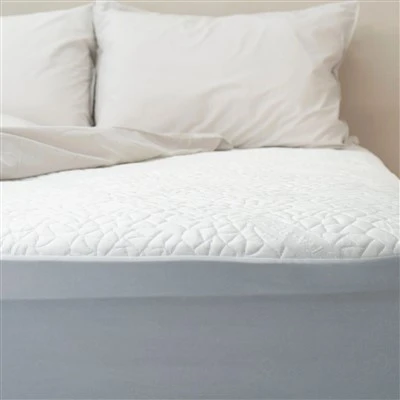
So there you have it, folks! Measuring quilted fabric isn’t as hard as it might seem at first. With the right tools and a little bit of practice, you can measure your fabric accurately every time. Whether you’re using it for a small DIY project or a large – scale commercial order, getting the measurements right is key.
Blanket If you’re interested in purchasing high – quality quilted fabric, I’m here to help. I’ve got a wide range of quilted fabrics in different colors, patterns, thicknesses, and weights. Just reach out to me if you want to discuss your requirements and start a purchase negotiation. I’m looking forward to working with you!
References
- Encyclopedia of Quilting Techniques
- Guide to Fabric Measurements for DIYers
Jiangsu Etang Household Products Co., Ltd.
We are one of the most professional quilted fabric manufacturers and suppliers in China. With abundant experience, we warmly welcome you to buy bulk premium quilted fabric made in China here from our factory. All customized products are with high quality and competitive price. Contact us for pricelist.
Address: No. 18 Nanhai Road, Siyang Economic Development Zone, Siyang County, Suqian City, Jiangsu Province
E-mail: etang216@js-et.com
WebSite: https://www.etangbedding.com/
