If you’ve ever stood next to a freshly cured concrete sidewalk, watched a skyscraper’s foundation rise, or driven over a highway bridge that feels solid enough to last decades, you’ve interacted with a material that’s so ubiquitous we rarely stop to question its components. For most of concrete’s history, the core mix has been cement, aggregate (sand, gravel), and water—additives were an afterthought, if they were used at all. But as a dolomite powder supplier, I’ve spent the last 12 years watching this once-simple mix evolve, and the role dolomite plays in modern concrete is nothing short of transformative. It’s not just a filler, either; it’s a performance driver, a sustainability tool, and often the unsung hero of projects that have to stand up to extreme weather, heavy traffic, and tight budget constraints. Dolomite Powder
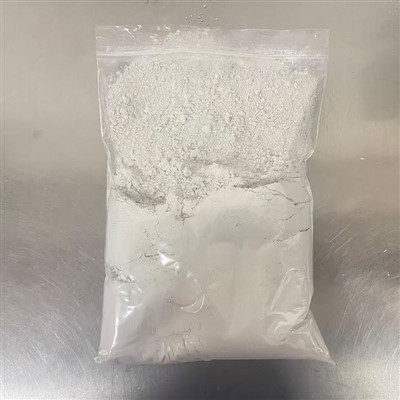
Let’s start with the basics, because context matters. Dolomite is a naturally occurring mineral composed of calcium magnesium carbonate, mined from sedimentary rock formations across the world. When it’s milled to a fine powder (usually ranging from 10 to 200 microns, depending on the use case), it gains properties that make it uniquely suited for concrete. Back when I first started in this business, customers would only ask for dolomite as a low-cost replacement for Portland cement, the most expensive component of concrete. That changed around 2010, when a group of civil engineers in Norway published a study showing that properly processed dolomite powder didn’t just fill space—it reacted with other concrete ingredients to improve strength. Since then, demand has skyrocketed, from small residential projects to large-scale infrastructure like the High Speed 2 rail line in the UK, which uses 1.2 million tons of dolomite powder in its concrete mixes to cut carbon emissions by 10% across its concrete works.
First, let’s talk about what dolomite does for concrete’s mechanical performance. Portland cement cures through a chemical reaction called hydration, where cement particles mix with water and form calcium silicate hydrate (C-S-H), the glue that holds concrete together. But a lot of space in the concrete mix is just that—empty gaps between aggregate particles, where raw cement can’t reach to bond effectively. That’s where fine dolomite powder comes in. It acts as a micro-filler, coating aggregate surfaces and filling those tiny voids, creating a denser, more compact material. The result? Higher compressive strength, the ability to bear more weight without cracking. For industrial floors, which have to support forklifts and heavy machinery for 50+ years, that’s a game-changer. I’ve had a customer in the automotive parts industry switch from traditional concrete mixes to dolomite-blended concrete for their new warehouse floor, and they reported a 20% reduction in surface cracks in the first year of use.
But it’s not just about filling gaps. When dolomite is fine enough, it also participates in a secondary reaction called the “pozzolanic reaction,” though it’s important to note that unlike fly ash or silica fume, dolomite’s reactivity is slower. Over time, as the concrete cures, magnesium ions from the dolomite react with the calcium hydroxide that’s a byproduct of cement hydration. This creates additional C-S-H gel, which reinforces the concrete’s internal structure and reduces permeability. Permeability is a huge deal for concrete exposed to freeze-thaw cycles in cold climates, or to salt from road de-icing agents. Traditional concrete can absorb water, which expands when frozen, leading to spalling—those ugly, pitted surfaces that require expensive repairs every 10 years. Dolomite-blended concrete is 30% less permeable than standard mixes, according to data from the US Army Corps of Engineers, which tested it for use in coastal infrastructure in Alaska. That means less maintenance, longer service life, and lower total cost of ownership for project owners.
Now, let’s get to the part that’s been driving so much demand lately: sustainability. The construction industry is responsible for about 8% of global carbon emissions, mostly from Portland cement production. Making one ton of cement releases roughly a ton of CO2, from both the chemical breakdown of limestone and the energy needed to heat kilns to 1,450°C. Dolomite powder, by contrast, has a carbon footprint that’s 70% lower than cement, because it’s mined and milled at much lower temperatures (we use vertical roller mills that run on natural gas, cutting energy use even further). When you replace 20-30% of Portland cement with dolomite powder, you cut concrete’s carbon emissions by almost a third, without sacrificing performance. That’s why so many companies are targeting net-zero construction goals now. Last year, I worked with a residential developer in California building a LEED Platinum neighborhood; they switched to dolomite-blended concrete for all their sidewalks, driveways, and foundation slabs, and earned 12 extra points toward their certification for reducing embodied carbon. It’s a win-win: they stayed under budget, met their sustainability targets, and the concrete is expected to last 20 years longer than standard mixes.
But dolomite isn’t a one-size-fits-all solution, and that’s where experience matters. I’ve seen too many projects fail because someone tried to use low-quality, over-milled dolomite that contained too many impurities, like clay or excess silica. Impure dolomite can actually weaken concrete, because clay absorbs water and disrupts the hydration process. The key is sourcing dolomite from deposits with a consistent magnesium content (ideally between 18-21% MgO) and testing it regularly to ensure particle size distribution matches the concrete mix requirements. For example, high-strength concrete used in bridges needs a finer dolomite powder (around 10-20 microns) to fill smaller gaps, while general-purpose concrete for sidewalks can use a coarser grade (50-100 microns) to keep costs low.
Another common question I get: does dolomite affect concrete’s workability? Workability is how easy it is to mix, place, and finish concrete—super important for construction crews who have to pour large sections in a tight window. The short answer is, it can, but only if you don’t adjust the water-to-cement ratio. Fine dolomite particles absorb a small amount of water, so if you just swap cement for dolomite without adding more water, the mix might get too stiff. But if you adjust the mix proportion to keep the workability consistent, dolomite can actually improve it. Because the particles are rounder than cement particles, they act like tiny ball bearings, reducing friction between mix components. That means crews can pour the concrete faster, with less effort, and get a smoother finish—no more uneven surfaces that require extra grinding later.
I’ve seen dolomite’s role evolve so much in my 12 years in this industry. When I started, customers would ask for “any dolomite powder that’s cheap enough to fill gaps.” Now, they come to me with specific performance targets: “I need a mix that can handle 5,000 psi for a warehouse floor in Minnesota,” or “I need to cut emissions by 25% for a public school project.” That shift is what makes this work meaningful. It’s not just selling a mineral; it’s helping build structures that are better for people and the planet.
Of course, there are still debates in the industry about how much dolomite to use, and what the long-term effects are. Some researchers worry that over-reliance on dolomite could lead to increased mining, disrupting ecosystems, but responsible sourcing—using dolomite from deposits that would otherwise go unused, and recycling concrete waste to extract aggregate and dolomite powder—can mitigate that. We’ve started working with a local concrete recycling facility in our area, grinding recycled concrete into fine powder to blend with new mixes, cutting the need for new dolomite mining by 15% for our commercial customers. It’s a small step, but it’s part of a larger shift toward circularity in construction.
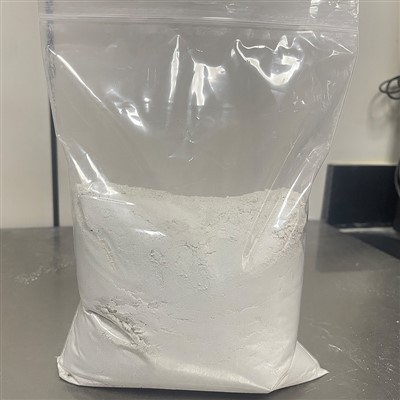
At the end of the day, concrete is the backbone of modern civilization, and dolomite powder is one of the most versatile, underrated additives we have. It improves strength, extends service life, cuts carbon emissions, and makes construction more efficient. If you’re working on a project—whether it’s a small residential build or a large infrastructure development—and you’re looking to improve your concrete mix, reduce costs, or hit sustainability targets, we can help. We supply consistent, high-purity dolomite powder tailored to your specific mix requirements, with technical support to make sure it integrates seamlessly into your process. To discuss your project needs and get a personalized recommendation, feel free to reach out to our team to start the conversation.
Hydrated Lime Powder References:
- De Weerdt, K., Justnes, H., & Oh, B. H. (2011). The reactivity of dolomite in cementitious systems. Cement and Concrete Research, 41(10), 1080-1087.
- US Army Corps of Engineers. (2018). Durability of concrete mixes with mineral admixtures for cold climate infrastructure. Engineer Research and Development Center.
- Global Cement and Concrete Association. (2022). Embodied carbon in concrete: A global outlook.
- High Speed 2. (2021). Sustainable concrete for phase one infrastructure projects. HS2 Ltd.
- LEED v4.1 Green Building Design and Construction. (2020). Embodied credit for building materials. U.S. Green Building Council.
Chaohu Jirun Energy Conservation and Environmental Protection Technology Co., Ltd.
We’re well-known as one of the leading dolomite powder manufacturers and suppliers in China, also support customized service. Welcome to wholesale high quality dolomite powder in stock here from our factory. If you have any enquiry about pricelist, please feel free to email us.
Address: No. 9, north of the intersection of Weihai Road and Weili Avenue, within the industrial park of Yinping Town, Chaohu City, Hefei City, Anhui Province.
E-mail: 13305654485@163.com
WebSite: https://www.chaohujirun.com/
