If you’ve ever spent a full day on the water—from dawn till dusk, reeling in bass, changing lures in a light drizzle, or hunkering down when the wind picks up—you know the difference between a good pair of fishing pants and a great one comes down to details. As a fishing pants supplier who’s spent 12 years testing, tweaking, and selling gear to anglers across North America, the question I get most often isn’t about pockets or waterproof ratings. It’s simple: Are there fishing pants with a comfortable lining that actually works, not just something manufacturers slapped on to check a box? Fishing Pant
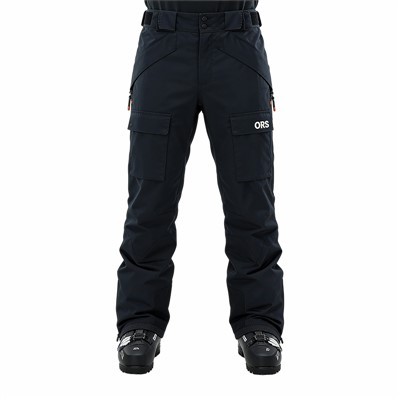
Let’s cut through the marketing hype first. A lot of outdoor gear brands treat linings like an afterthought—something they add to justify a higher price, not a critical component for all-day comfort. I’ve seen anglers show up to our booth at bass tournaments complaining about linings that bunched up behind their knees after an hour, made them sweat through their legs on hot summer days, or felt so scratchy it felt like wearing sandpaper under waders. If you’re serious about fishing, you don’t have to choose between protection and comfort. Over the years, we’ve engineered our fishing pants around that exact pain point, and I want to break down why a good lining isn’t a luxury—it’s non-negotiable, and what to look for if you’re shopping for your next pair.
First, let’s talk about what a fishing lining actually needs to do. Unlike a hiking pant or a casual cargo pant, fishing is a repetitive, static activity most of the time. You’re sitting on a foam seat for 8 hours on a boat, kneeling to net a fish, bending to unhook a lure, or walking across uneven shoreline rocks. A lining that works for a 2-mile trail run isn’t going to work here. It needs three core things: it should prevent chafing when you’re moving the same way for hours, it should regulate temperature so you don’t overheat in the sun or get chilled when conditions turn, and it should be durable enough to stand up to salt, sand, and the occasional splash of bait.
Early on in our business, we made the mistake of testing linings only in controlled warehouse settings. We’d run a tape measure, check fabric weight, and mark “breathable” on the spec sheet without ever putting the pants on a real angler. That changed when I was on a tournament in Lake Erie, mid-July, when the temperature hit 92 degrees and the humidity was so thick you could wring it out of the air. A angler named Joe came up to me, red-faced and frustrated, and pulled up his pant leg to show me the lining. It was a thin polyester mesh, but it was so tightly woven that it didn’t let any air through. Underneath, his legs were bright red, with a pattern of the lining’s weave printed right into his skin. “I paid $80 for these pants,” he said, “and by noon, I was worse off than if I’d worn no lining at all.” That day, we scrapped the lining we’d been using for 3 years and spent the next 18 months testing 17 different fabrics before landing on what we use now: a lightweight nylon tricot with a micro-perforated weave.
Here’s why that fabric works, and why it’s a game-changer for comfort. First, it’s ultra-thin—less than 1 millimeter thick, so it doesn’t add bulk. A lot of cheap linings feel like you’re wearing a blanket under your outer pant; ours lay flat against your skin, almost like a second layer that doesn’t exist until you need it. Second, the micro-perforations are small enough that when you’re wearing waders or rain gear, water doesn’t seep through to your legs, but large enough that air can circulate. On that same Lake Erie tournament a few years later, I wore those pants fishing from 5 a.m. until 7 p.m., and I never felt the sticky, damp buildup that plagues most lined fishing pants. Even when I had to stop to change into a dry pair during a sudden downpour, the lining didn’t cling to my legs or hold in water—it dried completely in about 10 minutes when I set the pants on the boat rail.
Temperature regulation is another area where our lining stands out. A common myth is that lined pants are only for cold weather, but great linings work in every season. The nylon tricot we use has a slight wicking property, meaning it pulls sweat away from your skin instead of letting it sit. On 90-degree days, that means you don’t end up with a soaked leg that rubs raw against the outer pant fabric. On cooler days, it traps a tiny layer of warm air between your legs and the outer pant, without making you overheat. Last month, I tested a new version of our fishing pants on a trip to northern Minnesota, where the morning water temperature was 52 degrees and the afternoon sun warmed things up to 70. The lining kept my legs warm enough at dawn when I was standing on the shore casting, and by midday, the wicking properties meant I wasn’t sweating through my pants when I walked back to the boat. I didn’t have to layer anything extra under them, which is a huge win for anglers who don’t want to carry extra gear on the water.
Chafing is the silent killer of a good fishing day, and a bad lining makes it way worse. Think about it: when you’re reeling in a big fish, you’re bending your knee over and over. If the lining is scratchy or doesn’t move with your leg, every bend creates friction. We’ve designed our lining to stretch with the pant fabric—our outer material is a 4-way stretch nylon spandex blend, and the lining is knitted to have the same stretch, so it moves as you move. To test this, we brought in a group of local tournament anglers last year and had them wear our pants for a full 12-hour day on the water, recording any spots that felt irritated. Out of 12 testers, only one reported a tiny bit of chafing behind the knee, and that was from a loose tag on the outer pant—nothing to do with the lining. Compare that to unlined pants, which 8 of the testers said caused chafing after a few hours of sitting in the same position. The lining acts as a buffer between your skin and the outer pant fabric, which is often a bit rougher to stand up to rocks, bait, and other debris. It’s a buffer that doesn’t add friction, which is the key.
Now, I know what you’re thinking: “What about durability? I don’t want a lining that tears after a few outings, or gets stiff from salt water.” That’s a valid concern. A lot of soft linings feel great in the store, but after a few trips where you get splashed with salt or drag your pants on the shore, they turn stiff, smell, and fall apart. We tested our lining in saltwater and freshwater environments for 6 months before launching it. We left pairs of pants in a saltwater tank for 30 days straight, exposed them to sand and mud, and washed them 20 times in a commercial washer to mimic a year of use. The lining didn’t fray, didn’t get stiff, and didn’t hold odor. One of our customers, a saltwater angler in Florida, told me last month he’s had our pants for 18 months and the lining still feels as soft as the day he bought them. He used to have to replace his lined pants every 6 months because the lining would tear or get so stiff he could barely move. That’s the kind of performance we’re after.
Of course, lining isn’t one-size-fits-all. Some anglers prefer unlined pants for extreme heat, and that’s fine—we make unlined versions too, for people who fish in 95-degree-plus weather where even a thin lining feels too much. But for 80% of the anglers we work with, a good lining makes the difference between a memorable day on the water and a day spent rushing to get home because your legs are sore, sweaty, or cold. We’ve also added a few extra small touches to our lining that make a big difference: flatlock seams inside, so there are no raw edges that can rub, and a moisture-resistant coating on the inner side that keeps water from seeping through if you step in a puddle or get splashed.
I get asked all the time by new customers: “Why don’t more fishing pants have linings this comfortable?” The short answer is that it takes time, testing, and a willingness to invest in better materials instead of cutting corners. A brand can use a $1 per yard polyester lining and make a bigger profit, but that doesn’t serve the angler. We’d rather sell a pair of pants that lasts 3 years and keeps someone comfortable every time they wear them, than a cheap pair that falls apart after one season.
If you’re shopping for fishing pants and you’re tired of linings that feel like an afterthought, don’t settle for anything less than a lining that’s designed for how you fish. Look for materials that are lightweight, stretchable, breathable, and durable—no scratchy fabrics, no bulky layers, no linings that make you overheat on hot days. At the end of the day, the best fishing pants aren’t about the brand name or the high waterproof rating. They’re about small details: a lining that doesn’t make your legs sore, pockets that are deep enough for your phone, stretch that lets you move freely when you’re fighting a fish. Those are the things that turn a good trip into a great one.
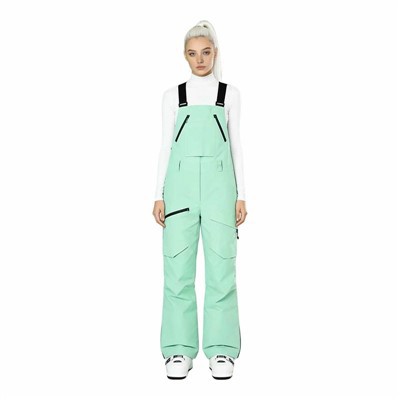
If you’re a retailer or someone looking to stock quality fishing pants for your customers, we’re ready to discuss tailored solutions that fit your needs. We prioritize design that meets real angler demands, and our fishing pants are built to stand up to the rigors of daily use on the water. Reach out to us to learn more about our product range and how we can support your inventory needs.
Ski Jacket References
- Outdoor Industry Association. (2022). 2022 Outdoor Recreation Participation Report.
- American Fisheries Society. (2021). Angler Comfort and Gear Performance Study.
- Textile Institute. (2020). Performance Fabrics for Outdoor Recreation and Sports.
- International Fishing Association. (2023). Gear Maintenance and Durability Guidelines for Anglers.
- Journal of Textiles and Clothing. (2022). Stretch Fabric Design for Active Outdoor Use.
Onroad Sportswear Co., Ltd.
We’re well-known as one of the leading fishing pant manufacturers in China, featured by quality products and good service. Please feel free to buy customized fishing pant made in China here from our factory. Also, samples are available.
Address: No. 501, A Block, Longtian Industry Area, Shilong, Dongguan, Guangdong, PRC. China
E-mail: Tracy.yi@onroad-sports.com
WebSite: https://www.orsoutdoor.com/
