Hey there! I get it—you’ve got an existing transformer that’s running fine, but lately, you’ve been thinking, “Can I upgrade my current transformer accessories instead of dropping a ton on a whole new unit?” That’s such a common question, and honestly, it’s one of the first things I ask every customer who reaches out to us. As a transformer accessories supplier, I’ve seen everything from folks with 10-year-old units dragging outdated gear to people who just want to squeeze a little more life out of a setup that’s worked for years. Let’s break this down like we’re chatting over a coffee, no jargon overload, just real talk about what’s actually possible. Transformer Accessories
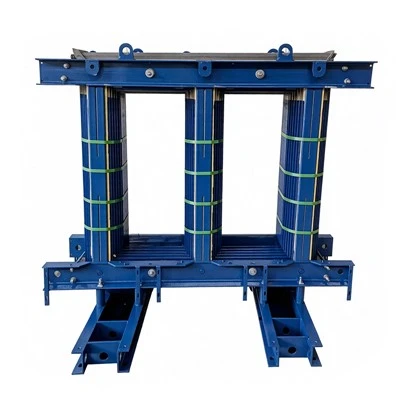
First off, let’s get one thing straight: upgrading existing accessories is not only possible—it’s often smarter than replacing the whole transformer. Why? Because transformers themselves are built to last 25 to 40 years, right? The weak points? The accessories. Think of it like a car: the engine (your transformer core and windings) is solid for decades, but the battery, alternator, or sensors might need updating every 10 years. Same logic here. But before you run off ordering new parts, there are a few things you need to check first. Let’s start with the most critical factor: compatibility. You can’t just slap any old accessory onto your transformer. It has to fit physically, electrically, and meet the voltage and load specs of your unit. I’ve had customers come in excited about a fancy new monitor, only to realize the mounting flange was 2 inches too small for their existing transformer’s terminal box—oops. That’s why the first step in any upgrade is pulling up your transformer’s serial number. Every unit has a unique serial that tells us exactly what model it is, its voltage rating, current capacity, and the accessories it came with originally. Without that number, we’re basically guessing, and guessing leads to mistakes no one wants.
Now, let’s talk about the most common upgrades we see, and why they’re worth it. First up: monitoring and control accessories. If your current setup is still using analog gauges—like old-school pressure gauges for the transformer tank or mercury thermometers—upgrading to digital sensors is a game-changer. Analog gauges can be off by 5-10% after a few years, and you have to physically walk to the transformer to check readings. Digital sensors? They hook up to your plant’s SCADA system, send real-time data for temperature, oil level, pressure, even partial discharge (that’s tiny electrical leaks that can cause big problems down the line). A lot of my customers tell me they didn’t even realize their transformer was overheating until they had a digital monitor alert them. Another big one here: tap changers. If you have an older off-circuit tap changer (which means you have to shut the transformer off to adjust voltage), upgrading to an on-load tap changer (OLTC) lets you adjust voltage while the unit is running. That’s huge for facilities where consistent voltage is non-negotiable—like data centers or manufacturing plants running 24/7. We recently did an upgrade for a food processing plant that was losing $10k a day every time they had to shut down to adjust voltage. Swapping their old tap changer cut those losses to almost zero.
Next, cooling system upgrades. Transformers run on oil (or dry air, but oil is way more common) to keep cool. If your cooling fans or radiators are old, they might be working overtime, driving up energy costs. We’ve seen cooling systems that were 15 years old using 30% more energy than modern, variable-speed fans. Upgrading to variable-speed fans that adjust based on actual oil temperature (not just running full blast all the time) can cut your cooling energy bill by 20-25%. Another win here: replacing old radiators with high-efficiency ones that have better heat dissipation. We did a job for a utility company where their older transformers were running 15°F over their rated temperature, which was cutting their lifespan by 10 years. Swapping the radiators fixed the overheating, no new transformer needed.
Wait, but what about safety accessories? That’s another area where upgrading makes total sense. Older pressure relief valves (PRVs) are often set to trigger at a single pressure point. If something causes a quick pressure spike, they work, but a slower, gradual spike might not be caught in time, leading to oil leaks or even tank damage. New PRVs have pressure sensors that trigger at multiple points, plus they’re more reliable. We also see a lot of upgrades to fault current limiters or surge arresters. Surge arresters protect your transformer from lightning strikes or power surges, and old ones might not be rated for the higher surges that some modern grids experience. A few years back, a customer had a surge arrester that was 12 years old—it failed during a storm and took out half their transformer’s windings. Upgrading that single part would have saved them $50k in repairs and downtime.
Now, let’s get to the fine print—because this isn’t always a free pass to upgrade everything. The biggest thing to consider is your transformer’s age and remaining lifespan. If your transformer is 35 years old and already showing signs of core wear, upgrading accessories might just put off the inevitable, or even be a waste of money. We always recommend doing a quick condition assessment first: oil analysis, winding resistance tests, partial discharge tests. If those show your transformer has another 10+ years left, upgrading accessories is a no-brainer. But if it’s on its last legs, even the best accessories won’t fix a core or winding issue. Another thing: cost. Wait, I know I said upgrading is smarter, but that doesn’t mean it’s cheap. Let’s do a quick math example: a new transformer for a 1MVA unit is around $80k-$100k. Upgrading all the main accessories (monitoring, cooling, tap changer) is around $25k-$35k. That’s a huge difference, but you have to factor in downtime too. If you need to shut down your transformer for 3 days to replace it, that’s lost revenue—for a factory, that might be $50k a day. So upgrading can save you way more than replacing, but only if it makes sense for your setup.
Also, let’s bust a common myth: some people think upgrading means gutting the transformer. No way! We’re talking about swapping out components that are attached to the outside or easily accessible internal parts. The core, windings, and main tank almost never need to be touched. We design every upgrade kit to fit your exact model, so installation is straightforward—usually done during a scheduled shutdown, not an emergency one. I should also mention regulatory stuff. If your facility is in a region that has specific electrical codes (like NFPA 70 in the US or IEC standards internationally), the accessories you upgrade to have to meet those codes. We make sure all our parts are certified, so you don’t have to worry about failing inspections. Last year, a small business came to us because their old PRV didn’t meet the updated local safety codes—swapping it for a certified one got them back into compliance without having to replace their entire transformer.
Wait, let’s share a real customer story to make this concrete. A customer of mine runs a small chemical plant in Ohio, their transformer was built in 2005, running 24/7 to power their mixing equipment. A few months ago, they started noticing random voltage dips that were messing up their product quality. At first, they thought they needed a new transformer, but when they gave us their serial number, we checked their specs and realized their tap changer was an old, manual model. They also had analog temperature gauges that were off by almost 8°F. We put together an upgrade: an on-load tap changer, digital temperature and pressure sensors, and variable-speed cooling fans. The whole install took 2 days (during their scheduled weekend shutdown), cost them $28k. Now, their voltage is rock-solid, their energy bills are down $400 a month from the new cooling system, and they haven’t had a single product defect since. They told us that upgrade paid for itself in 14 months. That’s the kind of win we love to see.
Is there a time when upgrading accessories isn’t the right call? Sure. Like if your transformer is damaged beyond repair, or if you’re planning to move the unit to a new location where it has different load requirements. For example, if you’re moving a transformer from a small commercial building to a big industrial site, the voltage and load will be higher, so you might need a new unit. But for 90% of the customers who come to us asking if they can upgrade, the answer is a resounding yes—they just need the right parts and a plan.
Let’s wrap this up with the key takeaways to remember: 1) Always check your transformer’s serial number for compatibility—no generic parts, especially with electrical gear. 2) Focus on upgrades that solve your specific problems: if you’re having overheating issues, upgrade cooling; if you need better monitoring, go digital. 3) Do a quick condition check first to make sure your transformer is worth upgrading. 4) Work with a supplier who knows transformers inside and out (that’s us!)—we don’t just sell parts, we help you figure out what you actually need.
If you’re sitting there wondering, “Hey, could upgrading my transformer accessories save me money and downtime?” don’t overthink it. Reach out to us to walk through your setup, check compatibility, and put together a plan that works for your budget and needs. No pushy sales stuff, just straight talk about what’s possible.
Transformer Accessories References
- IEEE Std C57.12.00, “General Requirements for Liquid-Immersed Distribution, Power, and Regulating Transformers”
- North American Electric Reliability Corporation (NERC), “Transformer Asset Management Guidelines”
- International Electrotechnical Commission (IEC) 60076, “Power transformers”
Wuxi Zhongpu Electric Co., Ltd.
As one of the most professional transformer accessories manufacturers and suppliers in China, we also support customized service. Please feel free to wholesale bulk high quality transformer accessories made in China here from our factory. Welcome to contact us for pricelist.
Address: No.52 Jiankang Road, Donggang Town, Xishan District, Wuxi City, Jiangsu Province
E-mail: 13585006135@163.com
WebSite: https://www.zhongpuelectric.com/
