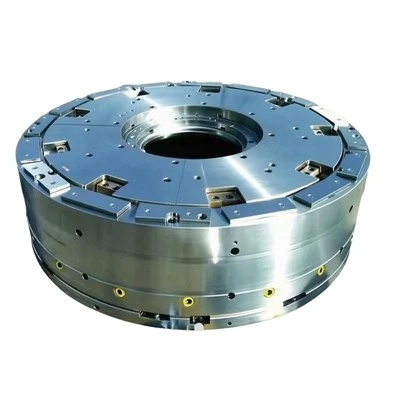
All-Steel Radial Segmented Molds are critical components in the tire manufacturing industry. These molds play a pivotal role in shaping and vulcanizing tires, ensuring precision and quality. As a supplier of All-Steel Radial Segmented Molds, I understand the importance of keeping these molds in optimal condition. In this blog post, I’ll share insights on troubleshooting common problems associated with these molds to help you maintain their efficiency and extend their lifespan. All-Steel Radial Segmented Molds
1. Surface Defects on the Mold
Problem: Rust and Corrosion
Rust and corrosion are common enemies of All-Steel Radial Segmented Molds. They can occur due to exposure to moisture in the environment, improper storage, or contact with corrosive substances during the manufacturing process. When rust and corrosion develop on the mold surface, they can lead to surface irregularities on the tires produced, affecting the tire’s appearance and performance.
Solution
- Regular Cleaning: Implement a strict cleaning schedule to remove any debris, moisture, or contaminants from the mold surface. Use a mild cleaning solution and a soft brush to avoid scratching the mold.
- Protective Coating: Apply a high-quality anti-corrosion coating to the mold surface. This coating acts as a barrier, preventing moisture and corrosive agents from coming into direct contact with the steel.
- Proper Storage: Store the molds in a dry, climate-controlled environment. If possible, use desiccants to reduce humidity levels in the storage area.
Problem: Scratches and Dents
Scratches and dents on the mold surface can be caused by mishandling during transportation, installation, or maintenance. These surface imperfections can also transfer to the tires, resulting in visual defects and potentially compromising the tire’s structural integrity.
Solution
- Careful Handling: Train personnel on proper mold handling techniques. Use appropriate lifting equipment and padding to prevent direct contact between the mold and hard surfaces.
- Minor Repair: For small scratches, a fine abrasive can be used to gently smooth the surface. However, for deeper dents or scratches, it may be necessary to use specialized welding and machining techniques to restore the mold to its original condition.
2. Temperature and Pressure Issues
Problem: Uneven Temperature Distribution
Uneven temperature distribution within the mold can lead to inconsistent tire curing. This may result in variations in tire hardness, tread wear, and other performance characteristics. Several factors can contribute to uneven temperature distribution, including faulty heating elements, poor insulation, or blockages in the cooling channels.
Solution
- Regular Inspection of Heating Elements: Check the heating elements regularly for signs of damage or malfunction. Replace any defective elements promptly to ensure uniform heat distribution.
- Improve Insulation: Inspect the mold’s insulation and repair or replace any damaged insulation materials. This helps to maintain a more consistent temperature throughout the mold.
- Clean Cooling Channels: Over time, cooling channels can become clogged with debris, reducing the efficiency of the cooling system. Use compressed air or a cleaning solution to flush out any blockages.
Problem: Pressure Imbalances
Pressure imbalances during the vulcanization process can cause issues such as incomplete tire molding or excessive flashing. This can be due to problems with the hydraulic system, improper mold clamping, or seal failures.
Solution
- Hydraulic System Maintenance: Regularly check the hydraulic system for leaks, low fluid levels, or abnormal pressure readings. Have a qualified technician perform any necessary repairs or adjustments.
- Proper Mold Clamping: Ensure that the mold is properly clamped during the vulcanization process. Follow the manufacturer’s guidelines for clamping force and alignment to prevent pressure imbalances.
- Seal Inspection and Replacement: Inspect the seals on the mold regularly for signs of wear or damage. Replace any worn seals to prevent pressure leaks.
3. Segmentation and Alignment Problems
Problem: Segmentation Misalignment
Segmentation misalignment can occur when the individual segments of the mold do not fit together properly. This can lead to visible seams on the tire surface, as well as issues with tire uniformity and balance.
Solution
- Precision Installation: During the installation process, ensure that the segments are aligned precisely according to the manufacturer’s specifications. Use alignment tools and fixtures to assist with the installation.
- Regular Inspection: Periodically inspect the mold segments for signs of wear or damage that could affect alignment. If misalignment is detected, make the necessary adjustments or repairs.
- Segment Cleaning: Keep the segment mating surfaces clean to prevent the buildup of debris, which can also cause misalignment.
Problem: Segment Wear and Tear
The segments of the All-Steel Radial Segmented Molds are subject to significant wear and tear during the tire manufacturing process. Over time, this can lead to changes in the segment dimensions, affecting the mold’s overall performance.
Solution
- Wear Monitoring: Implement a wear monitoring program to track the condition of the segments. This can involve regular measurements of the segment dimensions and visual inspections for signs of wear.
- Segment Replacement: When the segments reach the end of their useful life, replace them promptly with new segments to maintain the mold’s accuracy and performance.
4. Ejection and Release Issues
Problem: Difficulty in Tire Ejection
If the tire has difficulty being ejected from the mold after vulcanization, it can cause delays in the production process and potentially damage the tire or the mold. This can be due to issues such as improper mold release agents, sticking of the tire to the mold surface, or mechanical problems with the ejection system.
Solution
- Use of High-Quality Release Agents: Select a high-quality mold release agent that is suitable for your specific tire manufacturing process. Apply the release agent evenly to the mold surface according to the manufacturer’s instructions.
- Surface Treatment: Consider surface treatments for the mold to improve the release properties. This can include polishing the mold surface or applying specialized coatings.
- Ejection System Maintenance: Regularly inspect and maintain the ejection system to ensure that it is functioning properly. Check for any mechanical issues, such as broken or worn parts, and replace them as needed.
Problem: Residue Buildup
Residue buildup on the mold surface can accumulate over time, affecting the release properties of the mold and leading to surface defects on the tires. This residue can come from tire compounds, release agents, or other contaminants.
Solution
- Regular Cleaning Cycles: Establish a regular cleaning schedule to remove residue from the mold surface. Use appropriate cleaning methods and chemicals to ensure effective removal without damaging the mold.
- Filtering Systems: Implement filtering systems in the production process to reduce the amount of contaminants entering the mold. This can help to minimize residue buildup.
Conclusion
As a trusted supplier of All-Steel Radial Segmented Molds, I understand the challenges that come with maintaining these critical components. By being aware of the common problems and implementing the appropriate troubleshooting strategies, you can ensure the efficient operation of your molds and the production of high-quality tires.
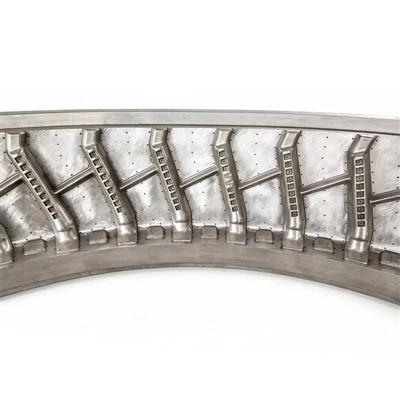
Two Piece Mold If you are facing any issues with your All-Steel Radial Segmented Molds or are interested in learning more about our products, I encourage you to contact me for a detailed discussion. Our team of experts is ready to assist you with all your mold-related needs, from troubleshooting to procurement. Whether you are looking to optimize your existing mold performance or invest in new molds, we can provide you with the best solutions tailored to your specific requirements.
References
- ASTM International Standards on Steel Mold Manufacturing and Quality Control
- Industrial Manuals on Tire Manufacturing Processes and Mold Maintenance
- Technical Publications on Material Science and Surface Engineering for Mold Applications
Anhui Varon Mould Co., Ltd.
We are one of the most professional all-steel radial segmented molds manufacturers and suppliers in China, also support customized service. We warmly welcome you to wholesale premium all-steel radial segmented molds made in China here from our factory. If you have any enquiry about cooperation, please feel free to email us.
Address: Anhui Province, Ningguo City, Economic and Technological Development Zone, Heli Industrial Park, Dongcheng Avenue
E-mail: admin@varonmould.com.cn
WebSite: https://www.wanlongmold.com/
